
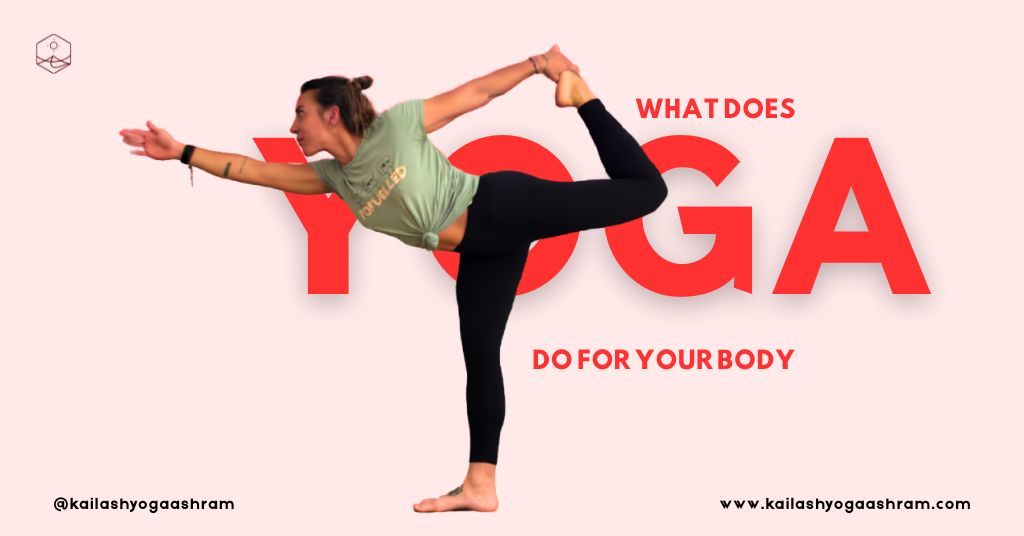
WHAT DOES YOGA DO FOR YOUR BODY

Yoga may seem like a trendy, modern fitness program, but it is actually an ancient practice for the mind and body that originated in India over 5,000 years ago. Its positive effects extend to your physical, mental and emotional health. Whether you want to lose weight or relieve stress, this meditative exercise is sure to benefit your overall health.
What is yoga?
Yoga is an ancient practice that combines postures, breathing techniques, and meditative practices to improve physical, mental, emotional, and spiritual well-being. Numerous studies also show that yoga is useful for alleviating several ailments. The term “yoga” comes from the Sanskrit word “yuj,” which means “connection” or “unification,” indicating the practice’s ability to unite mind, body, and soul.
The earliest written references to yoga appeared in the Yoga Sutras, written by the Indian sage Patanjali. The sutras of yoga contain the fundamental principles, practices and philosophy of yoga, which have been passed down from one generation to the next, and yoga practitioners continue to follow them.
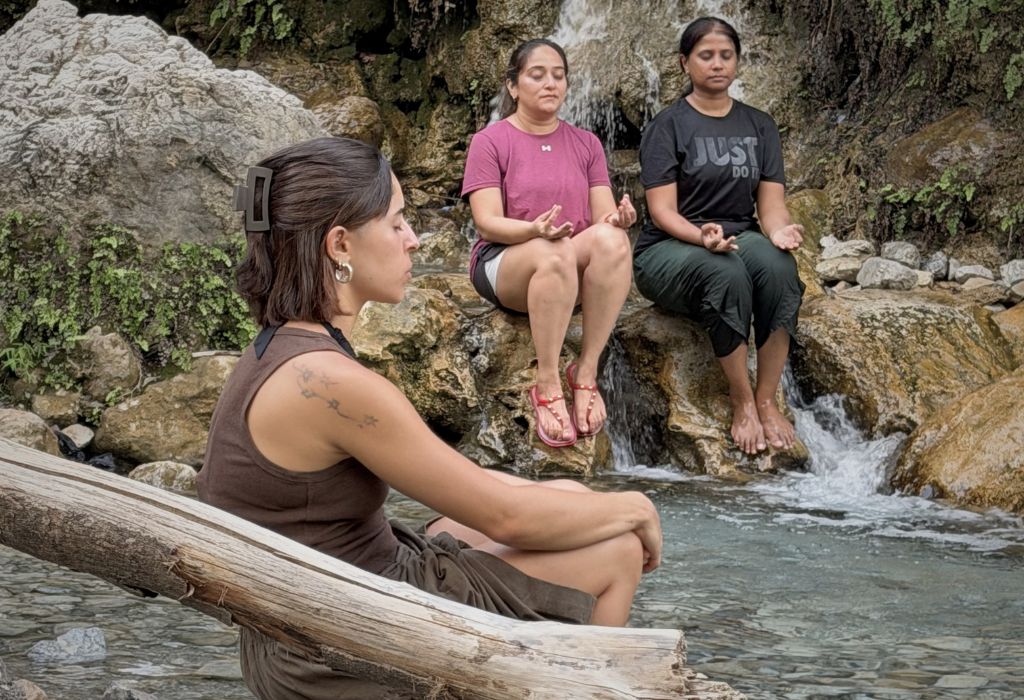
According to Patanjali, there are eight “phases” or steps of yoga. The first two, yama and niyama, focus on ethical disciplines. The third and fourth stages focus on physical postures (asanas) and breathing techniques (pranayama). The remaining four stages are meditative practices: withdrawal from the senses (pratyahara), concentration (dharana), meditation (dhyana), and enlightenment (samadhi).
Because it is usually an easy exercise, yoga is generally safe for beginners, children, and older people. There are also various types of yoga, so finding one that suits your needs and preferences shouldn’t be difficult.
Nine different types of yoga you can try.
Yoga instructors don’t just impart the fundamentals of yoga to their students but also develop their own approaches and techniques. This has led to the growth of many styles of yoga. Although these types differ slightly, they still aim to unite the mind, body, and spirit. Here are some of the most familiar types of yoga you can do:
- Hatha Yoga – Considered the most popular type of yoga, hatha includes basic breathing control exercises and yoga poses that are great for beginners.
- Ashtanga Yoga – an energetic form of yoga that includes quick movements to build strength and endurance.
- Bikram Yoga – Bikram includes 26 patented poses that are performed in a room heated to 104 degrees Fahrenheit with 40 per cent humidity. Its purpose is to relax the muscles, cleanse the body and alleviate the symptoms of chronic diseases.
- Vinyasa Yoga – Vinyasa is derived from traditional Ashtanga techniques, making it an active form of yoga. The only difference between the two types is that vinyasa involves different postures, while Ashtanga adheres to a single procedure.
- Kundalini Yoga – Kundalini emphasises rapid-flow poses, proper breathing techniques, and meditation to improve body balance. This type of yoga is more complex than the others, so it may not be suitable for beginners.
- Hot Yoga – Like Bikram, hot yoga is also performed in a heated room. However, room temperature and humidity are not defined for this style of yoga. The exercise can also consist of a variety of poses.
- Basic Power Yoga – Also known as power vinyasa, basic power yoga is a strenuous routine designed to stretch, strengthen and tone muscles while emphasising the mind-body connection.
- Prenatal Yoga – Prenatal yoga includes a series of poses specifically designed to help pregnant women prepare for labour, delivery, and postpartum recovery.
- Air Yoga – Air Yoga uses soft fabric hammocks that are suspended from carabiners, straps, and support chains. You need to sit in the hammock and use it for support while you perform aerial adaptations of traditional yoga poses.
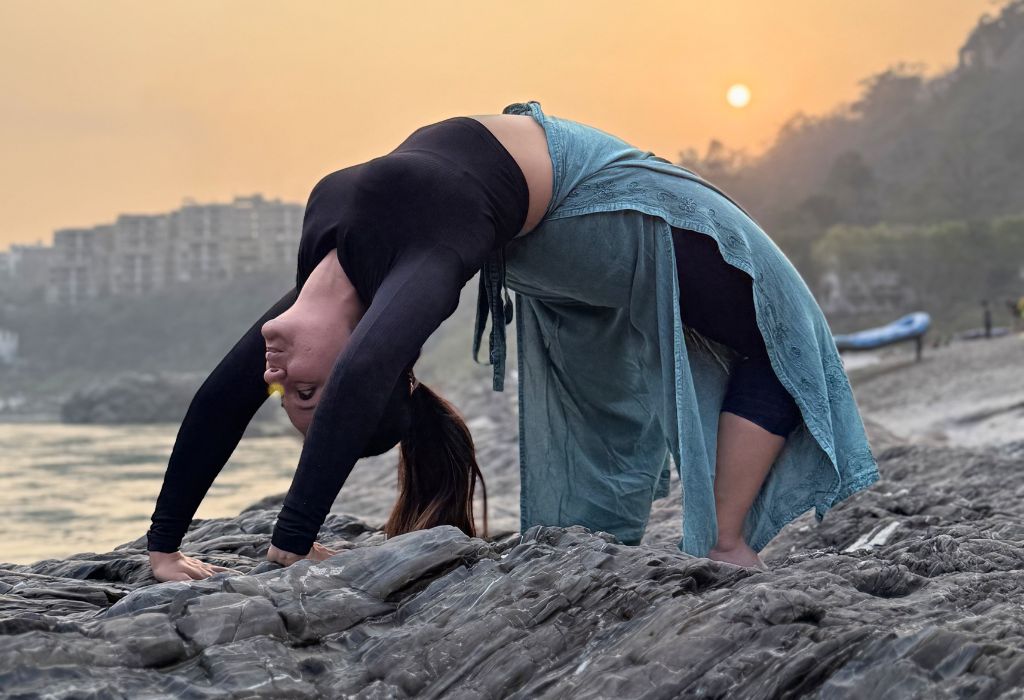
When choosing the type of yoga you want to do, make sure you consider not only your interests, but also your level of fitness and health. Talk to your yoga instructor to find out which style fits your health goals. Don’t hesitate to ask about the physical requirements and intensity of the yoga style you’re interested in.
Pilates and yoga: learn the difference between these two exercise regimens
Yoga and Pilates are very similar low-intensity workouts that focus on improving the mind and body. Both require mental focus and proper breathing techniques. But despite their similarities, they do have distinct differences, which include:
- Origins. As mentioned above, yoga originated in India over 5,000 years ago. Pilates, on the other hand, is a relatively new form of exercise developed by Joseph Pilates at the end of World War I to rehabilitate wounded soldiers.
- Principles – Pilates focuses only on connecting mind and body, whereas yoga incorporates spirituality into its practices.
- Goals – Pilates practices focus on body strength, whereas yoga focuses on flexibility and balance.
- Program – Yoga programs are more flexible because you can do different poses and sequences. In contrast, Pilates classes are more structured.
When choosing between Pilates and yoga, consider your health goals and fitness priorities. If you are looking for both a flexible routine and a spiritual experience, yoga may be your best choice.
Yoga offers a wide range of health benefits.
It’s no secret that yoga can improve your overall well-being in many ways. Here are some of the main physical and mental health benefits you can get from this workout:
- Increased flexibility;
- Better balance;
- Increased strength;
- Higher endurance;
- Better body alignment;
- Reduced stress levels;
- Improved mood and behaviour;
- Increased mindfulness.
The physical health benefits of yoga also make it a useful workout for athletes, such as runners and swimmers, as it helps improve athletic performance and prevent injury. Yoga’s potential for healing has also been the subject of much research in recent years. Studies show that the right set of yoga poses can actually help alleviate several ailments, such as:
- Chronic low back pain;
- Hypertension;
- Mental disorders such as anxiety and depression;
- Insomnia;
- Asthma;
- Carpal tunnel syndrome.
Six simple and useful yoga poses you can master
Challenging yoga poses can be really intimidating, especially if you are new to the technique. However, don’t let that frustrate you; there are many beginner-friendly yoga poses. These basic yoga poses are also great for kids, as they are not that difficult to replicate. They include:
- Mountain pose (tadasana) – Mountain pose is considered the basis of almost all postures. It is designed to improve posture and strengthen the back. To do this, stand with your feet together and your heels slightly apart. Place your hands at the sides of your torso and bring your fingers together. Hold this pose for five to 10 seconds.
- Tree pose (vrikshasana) – this pose helps improve balance, clear the mind, and strengthen the legs and back. You need to stand on one foot and bring the other foot to your ankle, shin, or hip. Once you are balanced, bring your hands up and bring your palms together.
- Warrior Pose II (Virabhadrasana II) – This basic yoga pose aims to strengthen your lower body, including your hips, groin and legs. You can do this while standing with your legs spread wide apart. Extend your right foot to a 90-degree angle and then point the toes of your left foot forward. Extend your arms out to your sides, palms facing forward, and then slowly bend your right leg, keeping the other leg straight and firm.
- Baby pose (balasana) is a resting pose that can be performed in between vigorous poses. You bend your knees and sit on your heels, then slowly lower your head to the floor and extend your arms in front of you.
- Chair pose (utkatasana) is a powerful pose aimed at strengthening the arm and leg muscles. To do this, stand up straight with your legs apart, then raise your arms above your head. Slowly bend your legs at the knees as if you were sitting on a chair. Make sure your back is straight, and your arms are parallel to the ground.
- Triangle Pose (Trikonasana) – Triangle pose helps stretch the hamstrings, hips, calves, and ankles. Extend your right leg at a 90-degree angle while keeping your left leg close to your torso. Then extend your right arm upward and slowly pull it toward your left side. Be sure to keep your waist straight.
Some of the poses mentioned above are used in hatha yoga, while others are included in the patented Bikram Yoga poses. Doing these exercises regularly will help you become more flexible over time. Whichever pose you take, make sure you adjust it to your fitness level so you don’t strain.
Yoga basics: the basic equipment you need
If you’re new to yoga, it can be a little difficult to determine the basic equipment you’ll need for the class. The good news is that you don’t need a lot of accessories for this workout, so you won’t have to spend too much money. Here are some of the basic but necessary equipment you will need:
Yoga mat – Also called a sticky mat, a yoga mat helps prevent slipping during exercise by providing traction for your hands and feet. It also cushions you from the hard floor and defines your personal space within the room.
Yoga clothing. Wearing comfortable, breathable clothing is extremely important when practising yoga because you don’t want it to interfere with your ability to perform poses properly. Women usually wear yoga pants and sports bras to move freely, while men often wear shorts. Shoes and socks are no longer necessary, as yoga is usually done barefoot. If you don’t have these clothes, any tight and stretchy clothing will do.
Some other equipment you may need includes blankets, blocks and belts; these are used as supports to improve posture, provide extra support or prevent injury.
Pay attention to these precautions before adding yoga to your exercise program.
Keep in mind that everyone’s health status, fitness level, and health goals are different. Although yoga is generally beneficial for many people, you should consult a professional trainer before incorporating it into your routine. While this form of meditative activity is generally considered safe for all ages and genders, there are still situations where it can compromise your safety.
If you have underlying health problems such as a herniated disc, eye disease, severe bone disease, uncontrolled blood pressure or balance problems, you should consult a physician before practising yoga, as there may be poses or stretches that are not appropriate for your condition.
Be sure to consult a professional trainer if you plan to practice yoga during pregnancy, as certain postures may need to be avoided. Remember that the goal of yoga is to improve your physical, mental, and emotional well-being. The last thing you want is to hurt yourself just because you tried to do it without enough knowledge or help from a professional. At Kailash Yoga Ashram, you’ll also find plenty of yoga and fitness tips.